Updated July 2026
Sony WH-1000XM6: What to Know Before You Buy
The WH-1000XM6 is the current king of noise cancelling headphones, the model that tops the 2026 rankings at RTINGS, What Hi-Fi, SoundGuys, and just about everywhere else that measures these things. At $449 it is also a serious purchase. Here is the case for it, the case against it, and who should buy something cheaper instead.
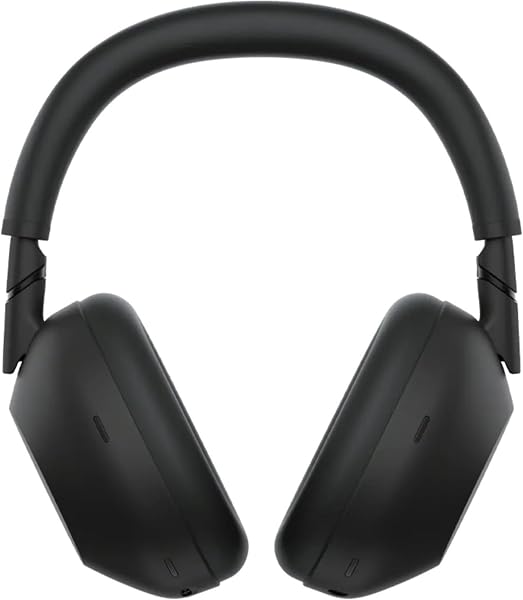
Key Specs
| Noise cancelling processor | Sony QN3 with 12 microphones |
| Battery | 30 hours with ANC on; 3-minute charge adds 3 hours |
| Codecs | LDAC hi-res, AAC, SBC |
| Weight | 254 g, folding design with slim case |
| Connections | Bluetooth 5.3, multipoint, 3.5 mm wired |
| Price | Around $449 at the time of writing |
Watch: Sony WH-1000XM6 Review: Back on the Throne
A second opinion worth your time before spending $449. Video by Marques Brownlee on YouTube.
Why It Tops Every List
Three reasons come up in every professional review. First, the noise cancellation is simply the strongest measured in a consumer headphone this generation: the QN3 processor reacts to changing noise faster than the previous XM5, and the twelve-mic array kills not just engine rumble but a meaningful slice of office chatter, which cheaper headphones let through. Second, call quality matches the ANC: AI-trained voice isolation makes it the rare headphone you can confidently use for meetings from a coffee shop. Third, Sony fixed the complaints about the XM5: the hinge folds again, the case is slimmer, and the headband redesign improved long-wear comfort.
The Honest Weaknesses
- Price. At $449 it costs as much as the other two picks on this site combined.
- Battery is merely fine. 30 hours trails the 40-hour budget pick on this site, though a 3-minute charge for 3 hours of playback softens the sting.
- No aptX. Android users get LDAC, which is arguably better, but aptX Adaptive fans should note its absence.
- No official water resistance. These are commuter and travel headphones, not gym gear.
WH-1000XM6 vs WH-1000XM5: Worth the Upgrade?
If you own the XM5, the honest answer is probably not, unless cancellation is your whole reason for owning headphones. The XM6 improvements are real but incremental: the QN3 processor adapts to changing noise faster, four more microphones sharpen both ANC and call pickup, the hinge folds again so the case is smaller, and the headband distributes weight better. Battery, codec support, and the overall sound signature are close to unchanged. Coming from an XM4 or older, the jump is much bigger and easier to justify, since you gain years of processor, microphone, and comfort improvements at once.
WH-1000XM6 vs Bose QuietComfort Ultra: The Real Question
These two trade blows at the same price, and the choice mostly comes down to priorities. Bose still has a slight edge in wear-it-all-day comfort and its cancellation of very low rumble is every bit Sony's equal. Sony wins on battery (30 hours against 24), call quality by a clear margin, sound customization through its app, and multipoint reliability. Reviewers split on sound signature preference, with Sony defaulting warmer and Bose flatter. If you fly constantly and prize comfort above all, the Bose is a legitimate pick. For everyone else the Sony is the more complete package, which is why it holds the top spot on our main comparison.
Who Should Buy It
Frequent flyers, open-office workers, and anyone who takes daily calls on their headphones. Those three groups get their money's worth from the cancellation and microphone quality alone. If that is you, the WH-1000XM6 is the safest premium audio purchase of 2026.
Who Should Buy Something Cheaper
If you mostly listen at home or on short commutes, the gap between this and the mid-range narrows fast. The Bose QuietComfort at around $179 delivers the classic comfort-first ANC experience for far less, and the Anker Soundcore Space One under $100 covers the basics surprisingly well. See the full three-pick comparison to match the tier to your use.
Check WH-1000XM6 price on Amazon →